
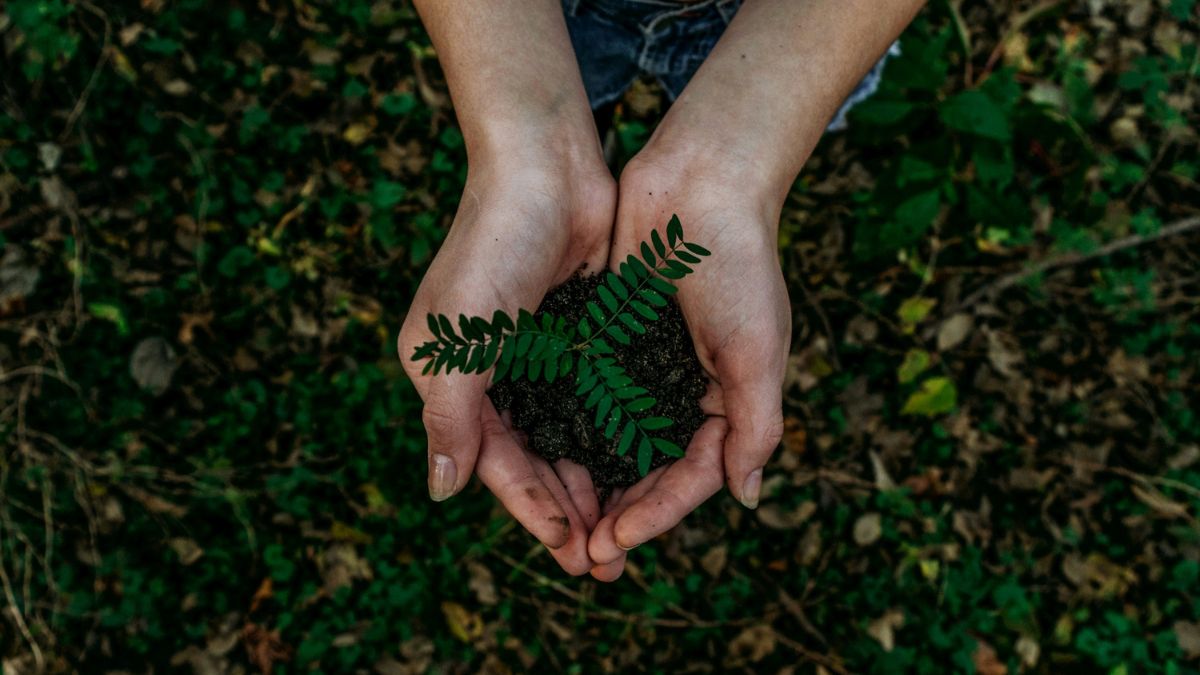
Climate change is often framed as a battle of policies, technologies, and international agreements. While those matter, they can leave individuals feeling powerless. Yet daily choices — what we eat, how we travel, how we consume — add up. Coaching can bridge the gap between awareness and action, helping people align values with sustainable living.
The key insight: personal habits are not trivial. They are the seeds of cultural change.
1) Why Daily Habits Matter
Individual actions may seem small, but multiplied across millions of people they create momentum. Consider:
- Food waste reduction lowers emissions and supports food security.
- Walking, cycling, or taking public transport reduces congestion and pollution.
- Choosing local and seasonal produce sustains biodiversity and local economies.
These choices also shape norms. When sustainable habits become visible, they influence others and shift what is seen as “normal.”
2) The Gap Between Knowing and Doing
Most people already know they should recycle, conserve energy, or reduce waste. The problem is not knowledge, but follow-through. Habits are sticky, and convenience often wins. Coaching addresses this by:
- Exploring personal values that motivate sustainable choices.
- Setting realistic goals that fit into real lives.
- Building accountability through regular reflection.
- Reframing setbacks as opportunities to learn rather than failures.
By turning ideals into small, consistent actions, coaching makes sustainability practical.
3) Coaching for Sustainable Identity
Lasting change comes when people see themselves differently: not just as consumers, but as stewards. Coaching helps individuals shift identity from “someone who recycles” to “someone who values sustainability.” That deeper identity sustains habits even when inconvenient.
For example:
- A parent who models sustainable living influences children for life.
- An employee who champions small eco-initiatives at work sparks cultural change.
- A leader who integrates sustainability into decisions creates ripple effects beyond personal habits.
4) Linking Habits to Systemic Change
Daily actions are not a substitute for systemic solutions, but they create demand for them. When more people cycle, cities invest in bike lanes. When more households reduce meat consumption, food systems adapt. Habits send signals to markets and policymakers. Coaching helps individuals see their role in these larger systems without slipping into guilt or despair.
5) Overcoming Common Barriers
Convenience vs. sustainability. Coaching explores how to make sustainable options easier and more automatic.
All-or-nothing thinking. Small wins matter; perfection is unrealistic.
Eco-anxiety. Reflection helps transform worry into constructive action.
Social norms. Coaching prepares individuals to stand by values even when peers choose differently.
6) Seasonal Opportunities
December is a month of heightened consumption. Coaching can help people reframe holiday habits:
- Choosing meaningful experiences over material excess.
- Supporting local and eco-friendly producers.
- Reducing food waste by planning and sharing consciously.
- Practicing gratitude to counter the drive for more.
The festive season becomes not only a time of giving, but also a time of aligning values with sustainability.
Reflection Questions
- Which of my daily habits create the largest environmental impact?
- What small change would be most realistic and meaningful for me to adopt now?
- How does my sense of identity influence my environmental choices?
- In what ways could my holiday traditions be made more sustainable?
- How do my actions signal values to my community and workplace?
Conclusion: Habits as Leverage
Environmental change is not only about policy or innovation; it is also about culture. Coaching turns awareness into habit, and habit into identity. When individuals align daily choices with values, they contribute to a larger shift — one that ripples through families, workplaces, and communities.
By focusing on the small and the daily, we don’t trivialize climate action; we humanize it. And by coaching for sustainability, we remind ourselves that the path to systemic change often begins with the choices made in kitchens, commutes, and holiday traditions.
Get in touch with us
📩 Let’s connect if you are curious about what coaching can do for you.
If you are interested in learning coaching skills, get started with our SFC-eligible (SkillsFuture Credit) course here.





Leave a Reply
Your email is safe with us.