
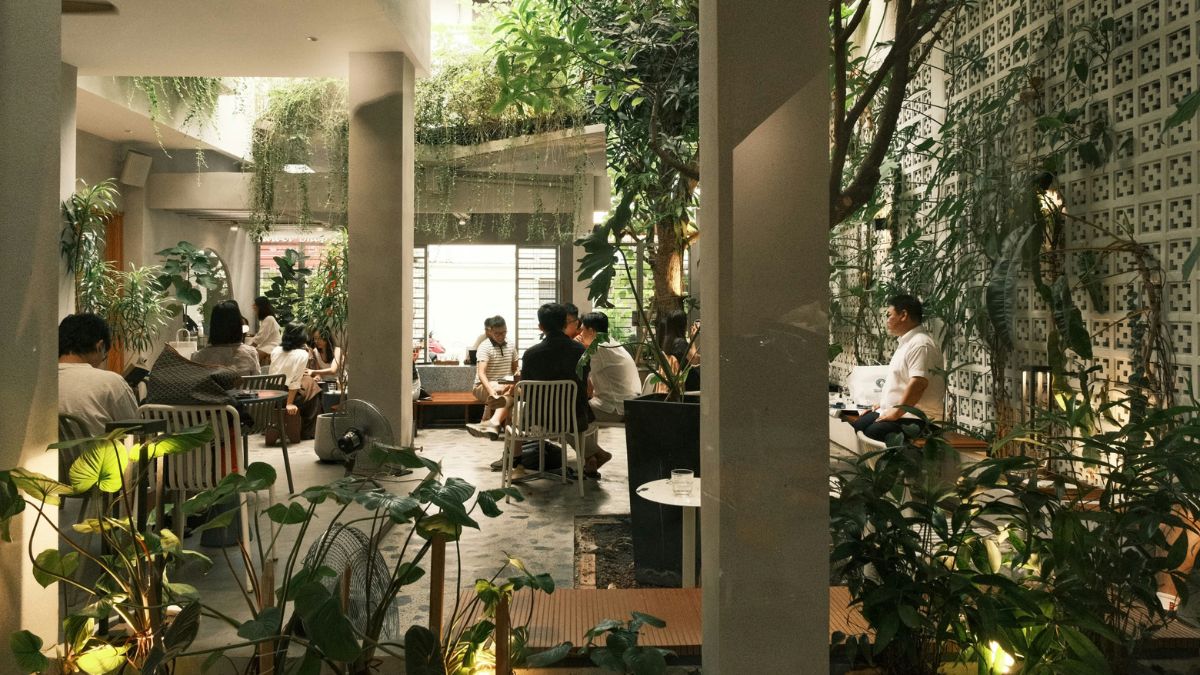
When people imagine the “future of work,” they often picture sleek technology, automation, and digital tools. Yet another dimension of the future is quietly reshaping how we think about workplaces: the integration of nature. Known as biophilic design, this approach recognizes that humans are not separate from the natural world. We thrive when our environments reflect the ecosystems we depend on.
In Singapore — a city celebrated as a “City in a Garden” — this concept is particularly relevant. Office towers covered in greenery, rooftop farms, and parks connected by walkways demonstrate how urban life and nature can coexist. The question for organizations in 2026 is: How can we bring these principles into everyday work design to support wellbeing, sustainability, and culture?
1. Why Nature at Work Matters
Humans spend a significant portion of life indoors, often under artificial lighting and in enclosed environments. This disconnection from nature carries costs: higher stress, reduced creativity, and even physical health issues.
Integrating natural elements into workplaces is more than aesthetic. Studies consistently show that exposure to greenery:
- Lowers stress and blood pressure.
- Enhances concentration and creativity.
- Improves mood and overall wellbeing.
When employees feel restored rather than drained by their environments, productivity and engagement rise naturally.
2. Principles of Biophilic Design
Biophilic design rests on the belief that humans are innately connected to nature. In practice, this can take many forms:
- Direct nature: plants, water features, natural light, outdoor spaces.
- Indirect nature: natural materials, organic shapes, artwork depicting landscapes.
- Spatial patterns: open layouts, natural airflow, spaces designed to mimic natural rhythms.
Each element signals respect for both the environment and the people working within it.
3. Coaching and Work Design
Where does coaching come in? Work design is not just about architects or facilities managers; it is about culture. Coaching helps leaders and teams reflect on questions such as:
- What kind of environment helps us do our best work?
- How does our physical space reflect our organizational values?
- What rituals or practices could connect us more closely to nature, even indoors?
These conversations transform nature integration from a facilities project into a leadership commitment.
4. Practical Ways to Integrate Nature
Organizations can start small and scale up:
- Green corners: designate areas with plants for relaxation or informal meetings.
- Daylight prioritization: maximize access to natural light in layouts.
- Outdoor working: encourage walking meetings or occasional outdoor work sessions.
- Nature-inspired rituals: begin meetings with short grounding exercises or use breaks to step outside.
- Eco-friendly materials: use wood, stone, and recycled products in furniture and décor.
Each small integration contributes to a culture where nature is part of daily work, not just decoration.
5. Singapore’s Leadership in Nature Integration
Singapore offers global examples of what’s possible. From Gardens by the Bay to green-certified buildings under the BCA Green Mark scheme, the city demonstrates that urban density can coexist with environmental consciousness.
Workplaces can take inspiration from these national efforts and scale them down: rooftop gardens for employee wellness, partnerships with eco-friendly suppliers, or office layouts that invite natural light and ventilation.
6. Overcoming Misconceptions
Some leaders dismiss nature integration as expensive or superficial. Yet research shows that even modest investments — like adding plants or redesigning lighting — deliver significant returns in employee wellbeing and productivity.
Coaching can help leaders reframe:
- From cost to investment: improved health and retention reduce long-term expenses.
- From aesthetics to function: natural elements are tools for performance, not just design choices.
- From luxury to necessity: in an era of burnout, creating restorative spaces is essential.
7. Toward a Living Workplace
Integrating nature into work design is not only about reducing stress. It is about reimagining the workplace as a living ecosystem. Just as ecosystems thrive through balance, diversity, and renewal, so too can organizations.
A living workplace:
- Balances efficiency with restoration.
- Welcomes diverse voices and experiences.
- Creates rhythms that sustain long-term health and creativity.
In this vision, the office is not a cage of productivity but a landscape of possibility.
8. Looking Forward in 2026
As organizations adapt to hybrid models, sustainability goals, and shifting employee expectations, integrating nature is both timely and strategic. Workplaces that align physical environments with human needs for connection, restoration, and meaning will not only perform better but also stand out as employers of choice.
The future of work will not only be digital. It will also be green, alive, and deeply human.
Reflection Questions
- How does my current workspace support or hinder my wellbeing?
- What small steps could integrate more natural elements into daily work?
- How does my organization’s physical environment reflect its values?
- What misconceptions might be holding us back from embracing nature at work?
- If my workplace were a living ecosystem, what would it look and feel like?
Get in touch with us
📩 Let’s connect if you are curious about what coaching can do for you.
If you are interested in learning coaching skills, get started with our SFC-eligible (SkillsFuture Credit) course here.
Discover more from Dr Jade Kua
Subscribe to get the latest posts sent to your email.





Leave a Reply
Your email is safe with us.