


Every office has its rhythms: the morning coffee, the weekly meeting, the endless stream of emails. Less visible, but just as constant, is the waste generated along the way. From disposable cups to excessive printing, food leftovers to forgotten electronic gadgets, the modern workplace contributes significantly to waste streams.
The “zero waste” movement offers more than an environmental trend — it is a practical framework for reducing resource use, cutting costs, and shaping culture. But moving from slogans to real change requires more than recycling bins. It requires policies that stick, supported by habits, incentives, and leadership.
1. Why Zero Waste at Work Matters
Waste is not only an environmental problem; it is an organizational one. Excessive waste signals inefficiency, short-term thinking, and disregard for long-term impact. In contrast, zero waste practices:
- Save money by reducing unnecessary purchases.
- Strengthen brand reputation, especially among younger employees and clients.
- Foster pride and purpose in staff who want their work to align with personal values.
When sustainability is embedded into the workplace, it improves both culture and competitiveness.
2. Beyond the Recycling Bin
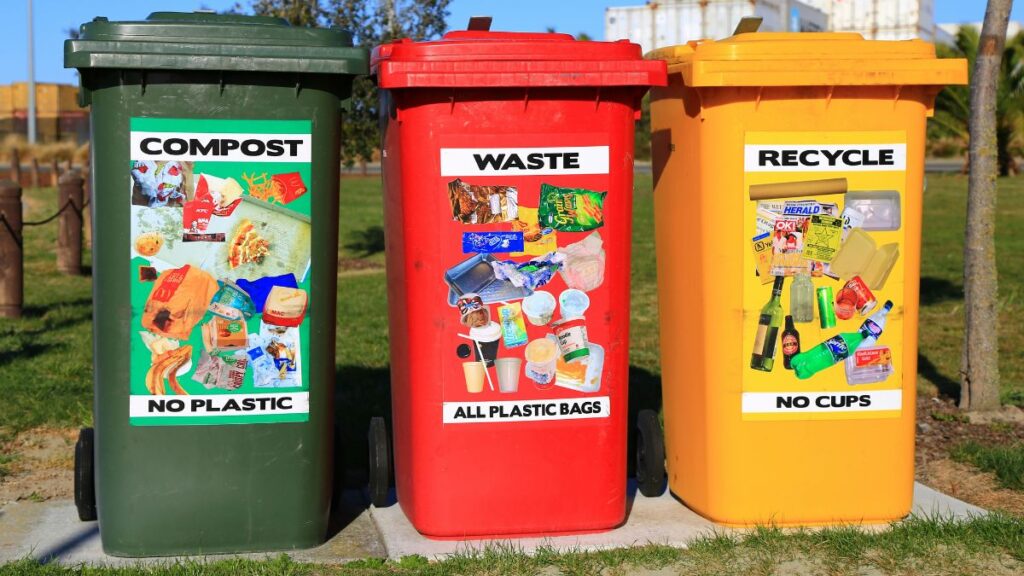
Many workplaces equate sustainability with recycling bins in the pantry. But recycling is only one part of the solution — and often the least effective. True zero waste strategies focus on reducing and reusing first, recycling last.
For example:
- Replace single-use cups with reusable mugs or bottles.
- Shift from disposable catering to shared crockery for events.
- Reuse office supplies before ordering new ones.
The goal is not perfection but consistent reduction of waste at the source.
3. Policies That Stick
Policies succeed when they are practical, well-communicated, and tied to organizational values. A few examples that workplaces can adopt in 2026:
- Print smarter: Set printers to double-sided by default. Require digital over paper whenever possible.
- Green pantry: Subsidize reusable containers or offer incentives for bringing personal mugs.
- Food waste awareness: Partner with caterers to adjust portions and donate leftovers.
- E-waste stations: Provide clear, accessible points for employees to recycle electronics responsibly.
- Procurement with purpose: Prioritize suppliers that offer eco-friendly packaging and materials.
Policies should be backed by clear accountability — for example, quarterly sustainability reports shared with staff.
4. Leadership and Modeling
Leaders set the tone. A CEO who brings a reusable bottle signals seriousness in ways that memos cannot. Team managers who normalize paperless meetings make sustainability part of everyday workflow.
When leaders model behaviors consistently, they show that zero waste is not a side project but a cultural expectation.
5. Engaging Employees
Top-down policies alone rarely stick. Employees must feel ownership of change. Engagement strategies include:
- Hosting “green weeks” where teams track and reduce waste.
- Inviting staff to propose sustainability initiatives and rewarding the best ideas.
- Making progress visible — such as dashboards showing how much waste has been avoided.
Small competitions and recognitions go a long way in creating momentum.
6. Singapore Context
In Singapore, waste management is a critical challenge. The Semakau Landfill, the country’s only landfill, is projected to run out of space by 2035. Government campaigns emphasize the “3Rs” (Reduce, Reuse, Recycle), but businesses have a crucial role to play in ensuring long-term sustainability.
Workplaces that align with the Zero Waste Masterplan not only contribute to national goals but also differentiate themselves as forward-looking organizations.
7. Overcoming Resistance
Every sustainability initiative encounters resistance. Common pushbacks include:
- “It’s inconvenient.”
- “It costs more.”
- “One office won’t make a difference.”
Coaching can address these resistances by exploring deeper values: What does convenience really mean? What is the long-term cost of inaction? How does collective responsibility amplify individual actions?
By reframing resistance, employees move from passive compliance to active participation.
8. The Ripple Effect
Zero waste policies, once embedded, often spill over into personal lives. An employee who adopts reusable habits at work may carry them home. A team that reduces food waste in the office may inspire families to do the same. This ripple effect expands the cultural impact far beyond the workplace.
9. A Call to Action for 2026
The workplace is where many adults spend most of their waking hours. If sustainability is not practiced there, it remains peripheral. By making workplaces engines of change, we turn environmental values into lived culture.
Zero waste is not about perfection. It is about persistence. Every policy, every habit, every choice adds up to a workplace that reflects respect for resources and responsibility for the future.
Reflection Questions
- What kinds of waste does my workplace generate most, and what policies could reduce it?
- How can leaders in my organization model zero waste habits more visibly?
- What would help employees feel greater ownership of sustainability initiatives?
- Where does resistance come from, and how can it be reframed into opportunity?
- What ripple effects could a workplace zero waste policy have beyond the office?
Get in touch with us
📩 Let’s connect if you are curious about what coaching can do for you.
If you are interested in learning coaching skills, get started with our SFC-eligible (SkillsFuture Credit) course here.