


Coaching is often framed as a private good — an investment for executives, founders, and those with surplus time and money. Yet those who could benefit most — low-income families, youth at risk, caregivers, migrant workers, and communities under chronic stress — are often the least able to access it. If coaching is truly about human potential, it must evolve from a perk for the few into a public benefit that strengthens dignity, agency, and resilience.
This shift requires rigor, not dilution: clear scope, trauma awareness, robust governance, and sustainable funding. The goal is to make coaching a pathway to stability and self-determination, not a luxury product.
1. Accessibility Is Justice, Not Charity
Popular wellness advice often overemphasises individual willpower: sleep better, eat clean, meditate daily. But social determinants — wages, housing, trauma, discrimination, access to care — shape outcomes long before individual choices. Coaching that ignores context risks gaslighting: urging people to “optimise” while structural barriers persist.
Accessibility reframes coaching as part of social infrastructure. When reflective space reaches those facing systemic barriers, benefits ripple outward: parents communicate more safely at home, students engage more constructively, and workers advocate with less fear. Accessibility strengthens communities, not just individuals.
2. Equity-Centred Design
Equity does not mean offering the same coaching to everyone, but the right coaching for each context. Key principles include:
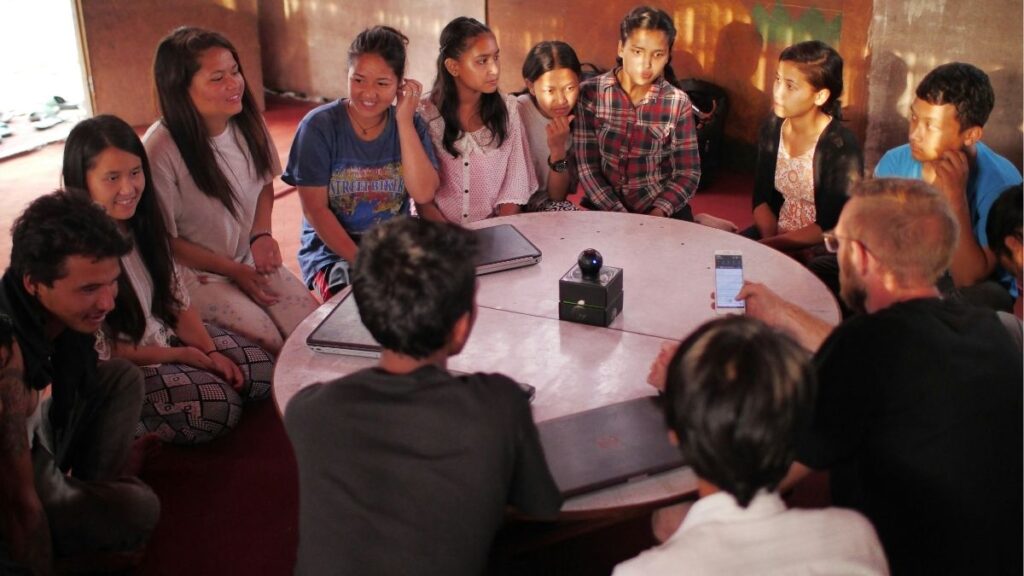
- Meet people where they are: hold sessions in community spaces, near public transport, with child-friendly options and flexible formats.
- Normalise access: sliding-scale pricing, sponsored seats, multilingual materials.
- Prioritise psychological safety: train coaches in trauma-aware practice and establish referral pathways.
- Protect dignity and confidentiality: collect minimal data and secure consent continuously.
- Practise cultural humility: adapt methods to local values, family structures, and cultural norms.
3. Barriers to Access
Common blockers include:
- Time poverty: irregular shifts and caregiving demand flexible scheduling and shorter sessions.
- Trust deficits: communities underserved by institutions need consistent presence, ethical clarity, and local partnerships.
- Digital divides: phone options and data stipends matter when devices or privacy are lacking.
- Language and literacy: avoid jargon; use interpreters, visuals, and strengths-based tools.
- Fear of consequences: privacy and strict data minimisation reduce anxiety about disclosures.
4. Delivery Models That Work
There is no single blueprint, but blended approaches succeed:
- Community clinics offering predictable, short sessions.
- Group coaching that reduces cost and builds peer learning.
- Integrated pathways embedding coaching in schools, shelters, and clinics.
- Hybrid and mobile formats for flexibility.
- Train-the-coach pipelines to equip community members with coaching skills and credentials.
5. Governance, Funding, and Ethics
Without governance, equity efforts risk harm. Key safeguards include scope clarity, ongoing supervision, minimal but secure data practices, and mandatory protocols when working with vulnerable groups.
Sustainability requires funding that covers both participants and staff. Multi-year, flexible commitments and transparent sliding scales stabilise programs. Employers, universities, and philanthropies can partner to underwrite community coaching pipelines.
Ethics must remain central. Informed consent is ongoing, not a checkbox. Goals must be right-sized, not performative. Coaching complements — but never substitutes — social protections, wages, or healthcare.
6. Building Community Capacity
True equity means moving beyond delivery to ownership. Communities should co-design programs, train peer facilitators, and develop local coaching pipelines. Publishing open resources and inviting alumni into leadership roles makes coaching more sustainable and less dependent on external experts.
7. A Minimal Blueprint
For organisations ready to begin:
- Listen first with trusted partners.
- Pilot simply: one venue, two formats.
- Safeguard with documented scope and supervision.
- Resource people with childcare, interpreter fees, or data stipends.
- Measure lightly: track small wins, not just numbers.
- Iterate publicly by sharing what is changing and why.
- Build pipelines by training community members.
- Stabilise funding through multi-year commitments.
Reflection Questions
- What would “accessibility as justice” look like in my context?
- Which barriers (time, trust, cost, language, privacy) are most pressing for the communities I want to serve?
- How can I safeguard participants while keeping entry simple?
- What funding choices ensure staff are cared for, not just clients?
- How can I measure contribution without extracting stories or over-surveying?
- Whose wisdom must be centred so this work is truly community-owned?
Conclusion: Coaching for the Many
Coaching becomes a social equaliser when designed with communities, not delivered to them. That requires rethinking access, strengthening ethics, resourcing staff as well as clients, and building local capacity. It demands humility from funders and courage from leaders. Done well, coaching shifts from a private perk to a civic fabric that allows more of us to live, work, and hope with dignity.
Get in touch with us
📩 Let’s connect if you are curious about what coaching can do for you.
If you are interested in learning coaching skills, get started with our SFC-eligible (SkillsFuture Credit) course here.